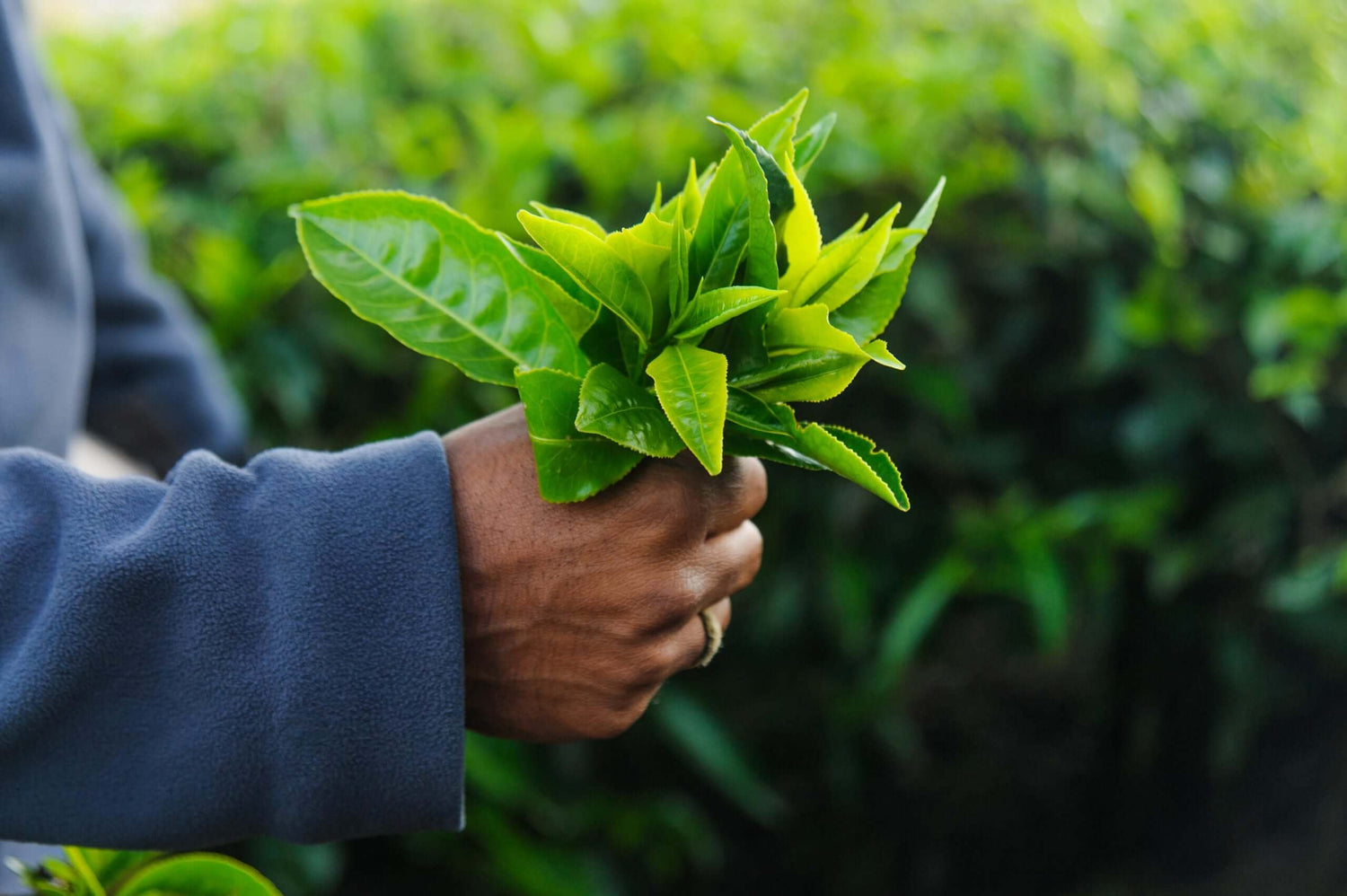
Knowing how to brew my tea properly can transform a simple drink into an extraordinary sensory experience. Whether you’re a fan of robust black tea, a lover of delicate green tea, passionate about wellness infusions or charmed by the sweetness of rooibos, this detailed guide reveals all the secrets of a perfect brew. Discover precise techniques that will elevate every cup and bring out the full aromatic complexity of your favorite teas.
The Fundamentals of the Perfect Infusion
The 4 Pillars of a Successful Infusion
Before exploring the specifics of each type of tea, let’s look at the key elements that influence the quality of your infusion:
1. Water Quality
- Use filtered or spring water with low mineral content
- Avoid very hard tap water, which dulls the aromas
- The ideal pH is between 6 and 7
- Water that is too hard masks the tea’s subtle notes
2. Precise Temperature
- Each type of tea requires a specific temperature
- Too hot: bitterness and destruction of delicate aromas
- Too cool: insufficient extraction of aromatic compounds
- Invest in a thermometer or a temperature-controlled kettle
3. Steeping Time
- Follow the recommended steeping times to the letter
- Over-steeping releases too many tannins (bitterness)
- Under-steeping does not reveal all the aromas
- Use a timer for accuracy
4. The Optimal Dosage
- The general rule: 2–3 g of tea for 200 ml of water
- Adjust to your personal taste
- Loose-leaf teas need more space to fully open up
- Measure with a measuring spoon for consistency
Black Tea: The Art of Robust Infusion
Fully oxidized, black tea offers rich, malty flavors that truly shine with the right brewing technique.
Black Tea Brewing Parameters
Ideal temperature: 90–95°C Steeping time: 3–5 minutes Dosage: 2.5 g for 200 ml of water
Detailed Guide to Brewing Black Tea
-
Preheating the teapot: Pour hot water into your teapot, let it sit for 30 seconds, then empty it. This step maintains the optimal temperature during steeping.
-
Precise measurement: Use one heaping teaspoon (about 2.5 g) of loose black tea. A precision scale ensures perfectly consistent results.
-
Water temperature: Bring the water to a boil (100°C), then let it cool for 1–2 minutes to reach 90–95°C. Boiling water burns the delicate leaves.
-
Dynamic pouring: Pour the water in a circular motion to move the leaves and promote even extraction.
-
Timed infusion :
- 3 minutes: For a light, aromatic tea
- 4 minutes: The perfect balance between strength and smoothness
-
5 minutes: For strong-tea lovers
-
Immediate straining: Remove the leaves as soon as the steeping time is over to avoid bitterness.
Black Tea Varieties and Their Specificities
- Assam: Robust and malty, can steep for 5 minutes
- Ceylon: Bright and lively, best at 3–4 minutes
- Darjeeling: Delicate and floral, do not steep for more than 3 minutes
- Earl Grey: Bergamot shines best with a 4-minute steep
Mistakes to Avoid with Black Tea
- Never reuse water that has already been boiled (lack of oxygen)
- Avoid metal containers that alter the taste
- Do not pack the leaves into the infuser (they need room to unfurl)
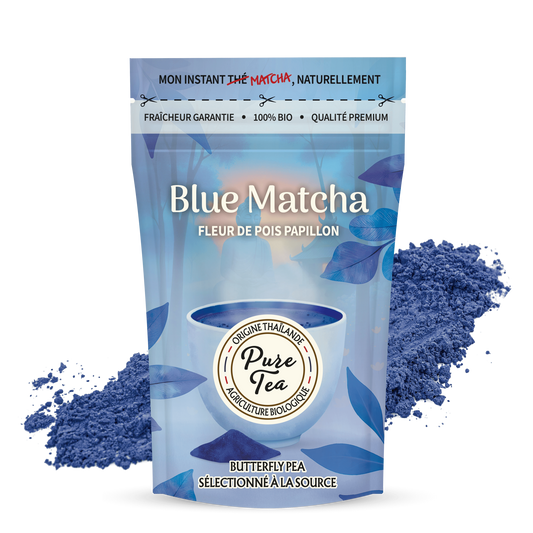
- Blue matcha originates from Clitoria ternatea, a perennial climbing plant also known as butterfly pea flower. This tropical legume naturally grows in Thailand and throughout Southeast Asia, where it adorns gardens and facades with its magnificent blue flowers. Unlike true matcha, which comes from shaded tea leaves, this intense blue powder is born from the fine grinding of dried petals of these exotic flowers.
Green Tea: Delicacy in Its Pure State
Green tea, which is unoxidized, retains its fresh, vegetal character and antioxidants. Its infusion requires more precision to avoid bitterness.
Green Tea Brewing Parameters
Ideal temperature: 70-80°C Steep time: 1-3 minutes Dosage: 2g per 200ml of water
Green Tea Infusion Technique
-
Cooling the water: After boiling, let the water cool for 5–7 minutes, or pour it back and forth several times between two containers to speed up cooling.
-
Preparing the leaves: Quality green teas can be quickly rinsed (5 seconds) in lukewarm water to “wake them up.”
-
First infusion :
- Pour water at 70–80°C over the leaves
- Japanese teas (Sencha, Gyokuro): 1–2 minutes maximum
- Chinese Teas (Longjing, Gunpowder): 2-3 minutes
-
Multiple infusions: Quality green teas can withstand 2-3 infusions. Increase the temperature by 5°C and the time by 30 seconds with each pass.
-
Immediate serving: Green tea is best enjoyed within 30 minutes of brewing to make the most of its freshness.
Pro Tips for Green Tea
- Temperature test: Without a thermometer, wait until you no longer see vigorous steam rising
- Gong Fu Method: Use more tea (5g/100ml) with very short infusions (30 seconds)
- Storage: Brewed green tea does not keep; prepare only what you will drink
Types of Green Tea and Specific Temperatures
- Sencha: 70°C to preserve its gentle umami
- Matcha: 80°C maximum, whisked, not steeped
- Gunpowder: 80°C, supports a longer infusion
- Jasmine: 75°C to balance tea and flowers
Infusions: The Pure Expression of Plants
Herbal infusions (tisanes) offer an endless aromatic palette with no caffeine. Each plant has its own specific requirements.
General Steeping Parameters
Ideal temperature: 95–100°C Steeping time: 5–10 minutes Dosage: 3–4g for 250ml water
Complete Herbal Tea Brewing Guide
-
Boiling water: Most plants require very hot water to release their active compounds and aromas.
-
Generous dosage: Dried herbs are bulky. Use 1–2 heaping tablespoons per cup.
-
Long infusion :
- Tender leaves (mint, lemon balm): 5–7 minutes
- Flowers (chamomile, linden): 7-8 minutes
- Roots and barks (ginger, cinnamon): 10–15 minutes
- Dried fruits: 8-10 minutes
-
Essential covering: Cover your cup or teapot while steeping to retain the volatile essential oils.
-
Careful straining: Use a fine sieve to remove all plant residues.
Popular Infusions and Their Secrets
Chamomile
- Temperature: 100°C
- Time: 7 minutes
- Tip: Do not exceed 10 minutes to avoid bitterness
Peppermint
- Temperature: 95°C
- Time: 5-6 minutes
- Tip: Gently crush the leaves before brewing
Verbena
- Temperature: 100°C
- Time: 8 minutes
- Tip: Excellent as iced tea
Fresh Ginger
- Temperature: 100°C
- Time: 10-15 minutes
- Tip: Crush lightly for more intensity
Advanced Steeping Techniques
- Decoction: For hard roots, boil for 10 minutes
- Cold maceration: Some plants (hibiscus) infuse 4-8 hours cold
- Synergy: Blend plants with similar steeping times
Rooibos: The Red Treasure of South Africa
Rooibos, naturally caffeine-free and rich in antioxidants, offers a unique vanilla sweetness that lends itself to various infusion methods.
Rooibos Brewing Parameters
Ideal temperature: 95–100°C Steeping time: 5–7 minutes (can go up to 10) Dosage: 2.5g for 200ml of water
Perfect Rooibos Brewing Method
-
Very hot water: Rooibos supports and requires boiling water to reveal its complexity.
-
Flexible dosage: Unlike teas, rooibos doesn’t turn bitter. Adjust according to your preferred intensity.
-
Extended infusion :
- 5 minutes: Light, sweet flavor
- 7 minutes: Full and balanced profile
- 10 minutes: Rich and concentrated, ideal with milk
-
Versatility: Rooibos still tastes great even if you forget it in the teapot!
-
Varied service :
- Nature: To appreciate its honey and vanilla notes
- With milk: Plant-based or dairy, for a latte effect
- Iced: Brew a double-strength infusion and pour over ice
Rooibos Varieties and Preparations
Red Rooibos (Fermented)
- Profile: Smooth, honeyed, vanilla
- Steeping: 7 minutes at 100°C
- Perfect with: Honey, lemon, milk
Green Rooibos (Unfermented)
- Profile: More herbaceous and fresh
- Infusion: 5-6 minutes at 95°C
- Pairs well with: Mint, citrus fruits
Flavored Rooibos
- Vanilla, caramel, red berries
- Follow the steeping times for plain rooibos
- Flavors develop better with 7 minutes
Benefits and Best Times to Enjoy
- Caffeine-free: Perfect for the evening
- Rich in antioxidants: Best after a 7-minute infusion
- Easy to digest: Ideal after meals
- Hydrating: Excellent chilled for sports
Summary Table: Your Infusions at a Glance
| Type | Temperature | Time | Dosage/200 ml | Reinfusions |
|---|---|---|---|---|
| Black Tea | 90-95°C | 3–5 min | 2.5g | 1–2 times |
| Green Tea | 70–80°C | 1–3 min | 2g | 2-3 times |
| Infusions | 95–100°C | 5–10 min | 3-4g | Once |
| Rooibos | 95–100°C | 5–10 min | 2.5g | 2-3 times |
Essential Accessories for the Perfect Brew
A Must‑Have for Tea Lovers
-
Thermometer or Programmable Kettle
- Precise temperature is crucial
- Time savings and consistency
-
Dedicated Timer
- Mobile app or kitchen timer
- Alerts so you never oversteep
-
Filters and Infusers
- Wide basket for leaf expansion
- Avoid tea balls that are too small
- Paper filters for fine teas
- Travel infusers so you can take your loose tea everywhere
-
Suitable Teapot
- Porcelain or glass for delicate teas
- Terracotta for robust teas
- Capacity to suit your habits
Caring for Your Accessories
- Rinse with hot water after each use
- Avoid scented detergents
- Descale regularly with white vinegar
- Dry completely to prevent mold
Frequently Asked Questions About Brewing Tea
Can I Reuse My Tea Leaves?
Yes, for certain teas:
- Green and white teas: 2–3 possible infusions
- Oolongs: Up to 5–7 infusions
- Black teas: Usually 1-2 infusions
- Herbal infusions: Single use recommended
How to Fix Overly Bitter Tea?
- Lower the water temperature
- Shorten the steeping time
- Use less tea
- Add a pinch of salt (neutralizes bitterness)
Which Water to Choose for My Tea?
Water makes up 99% of your cup:
- Ideal: Low-mineral spring water (< 100 mg/L of residue)
- Acceptable: Filtered tap water
- Avoid: Distilled water (too flat) or very high‑mineral water
Why Choose Loose-Leaf Tea?
At Pure Tea, we offer only loose-leaf tea, for several excellent reasons:
Premium Quality:
- The oily macerate obtained by prolonged infusion in vegetable oils creates massage bases with remarkable relaxing properties. This traditional technique concentrates the active ingredients in a lipophilic support, optimizing skin penetration. Regular use of these preparations visibly improves skin texture and radiance.
- Aromas and essential oils better preserved
- Possibility to see and feel the quality of the product
Optimal Infusion:
- The leaves have the space they need to fully unfurl
- Full release of flavors and benefits
- Better control of dosage according to your taste
Economical and Ecological:
- More economical by weight
- Zero individual packaging waste
- Option to buy the exact quantity you want
- Authentic origin: powder from Asian butterfly pea flower petals, not true Japanese matcha
Infusion Rituals Around the World
Gong Fu Cha (China)
- Multiple short infusions
- Small teapots (100-150ml)
- Focus on the evolution of flavors
Tea Ceremony (Japan)
- Millimetric precision
- Water at the exact temperature
- Codified gestures
Afternoon Tea (England)
- Strong black tea
- Service in fine porcelain
- Sweet and Savory Pairings
Mint Tea (Morocco)
- Gunpowder Green Tea
- Abundant fresh mint
- Service at height for aeration
Conclusion: Your Journey to the Perfect Cup
Mastering how to brew my tea properly turns every break into a moment of fulfillment. Whether you prefer the robustness of black tea, the freshness of green tea, the benefits of herbal infusions, or the sweetness of rooibos, these techniques guarantee an optimal experience with every cup.
Remember that these recommendations are guides: your personal preferences remain the best compass. Experiment with temperatures and durations to find your perfect balance. The important thing is to take the time to savor this millennial ritual that unites cultures around the world.
At Pure Tea, we select only premium loose-leaf teas, herbal infusions, and rooibos that deserve to be brewed with care. Our preserved whole leaves guarantee you an authentic, full-flavored tasting experience. Every cup is an invitation to travel and discovery. Enjoy!