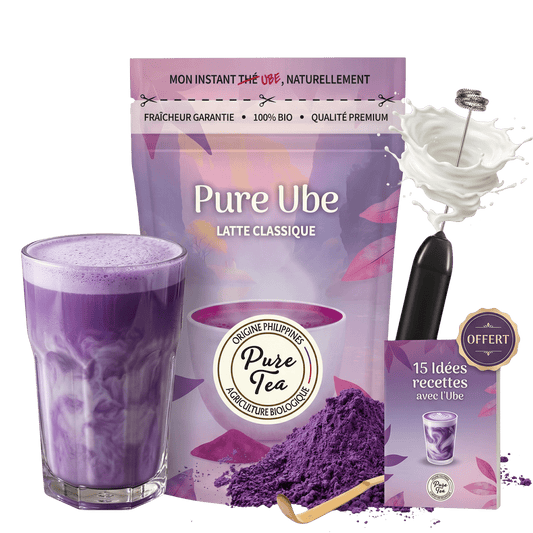
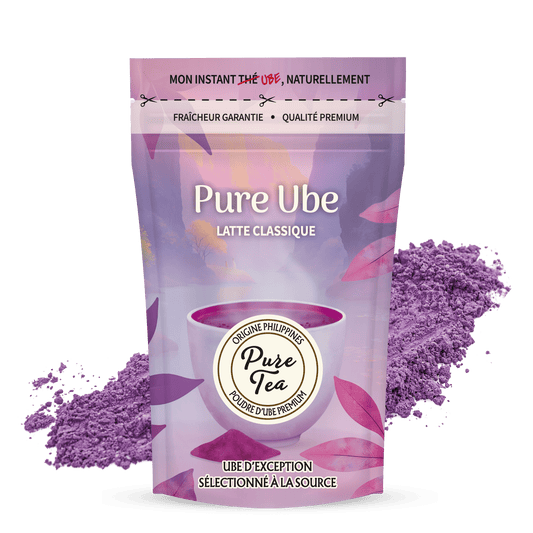
Ube powder, purple yam from the Philippines, revolutionizes creative beverages with its nutritional benefits.
- Authentic origin: traditional Bohol tuber processed without artificial coloring
- Nutritional richness: antioxidant anthocyanins, dietary fiber and naturally concentrated essential minerals
- Culinary versatility: a natural alternative to matcha, caffeine-free for lattes and pastries
- Blue matcha latte and hot drinks
For the past few years, I’ve been watching with fascination as new superfoods from distant lands emerge. Among them, ube from the Philippines has especially caught my attention with its mesmerizing purple hue and outstanding flavor profile. This purple yam, ground into a fine powder, is reshaping the art of creative drinks and colorful desserts. Far more than a fleeting food trend, this tropical tuber offers a natural alternative to artificial colorants while delivering remarkable nutritional benefits. Its gentle taste, subtly blending notes of vanilla and hazelnut, wins over even the most discerning palates.
Ube’s Filipino origins: from traditional tuber to modern powder
Ube in traditional Philippine culture
The Philippine archipelago has been cultivating this purple root for centuries, long before it took over Western social media. In local cuisine, purple yam holds a central place, especially in iconic preparations like Ube Halaya, a silky jam with amethyst hues. This traditional dessert accompanies major family and religious celebrations, reflecting the cultural importance of this tuber.
Halo-halo, a colorful iced dessert considered a symbol of Filipino cuisine, also features this purple-hued root in various forms. Filipino families pass down the secrets of preparing these indulgent treats from generation to generation, preserving a culinary tradition rich in authentic flavors.
This tropical yam goes far beyond a simple ingredient to become a true culinary heritage. Local festivities regularly celebrate the harvests of this precious tuber, strengthening community bonds around this age-old agricultural tradition.
Growing regions and terroir
The Bohol region stands out as the birthplace of ube Kinampay, a variety renowned for its superior quality and exceptionally high anthocyanin content. These particular geographical conditions create a unique terroir, where the humid tropical climate promotes the optimal development of this colourful root.
| Optimal climate conditions | Values |
|---|---|
| Average annual temperature | 17–23°C |
| Hours of sunshine | More than 1500 hours/year |
| Soil richness | Natural selenium |
| Humidity | Mild, slightly humid climate |
Volcanic soils naturally enriched with selenium give the Philippine yam remarkable nutritional properties. This mineral richness is directly reflected in the final composition of the powder, offering additional health benefits.
Other provinces such as Laguna and Quezon also contribute to national production, but Bohol’s reputation remains unmatched. Local farmers uphold environmentally friendly cultivation methods, preserving the biodiversity of these fragile ecosystems.
- Rigorous selection of tubers according to their maturity
- Hand harvesting to preserve the integrity of the roots
- Meticulous sorting to remove defective specimens
- Rapid transport to processing centers
- Ongoing quality control throughout the entire process
From field to powder: the transformation process
Turning fresh ube into a fine powder requires significant technical expertise to preserve all the flavor and nutritional qualities of this superfood. The process begins with carefully cleaning the freshly harvested tubers, removing any traces of soil or impurities.
Low‑temperature drying is the crucial step in this transformation. This gentle method preserves the anthocyanins responsible for the natural purple color, as well as the volatile aromatic compounds that give ube its characteristic vanilla-like flavour. Carefully controlled temperatures prevent the degradation of heat-sensitive vitamins.
Grinding into a fine powder is done using specialized mills that ensure uniform particle size. This final step determines how easily the powder dissolves in liquids, which is essential for achieving perfectly smooth and colorful drinks.
- No added artificial colorings
- Natural Preservation of Aromas
- Preserving antioxidant properties
- Maintaining nutritional value
Nutritional composition and benefits of ube powder
Detailed nutritional profile
As a passionate creator of nutritious recipes, I particularly appreciate how exceptionally rich this purple yam is in essential nutrients. Its balanced composition makes it a complete superfood, capable of contributing significantly to the recommended daily intake.
| Nutritional components | Per 100 g of powder |
|---|---|
| Energy | 356 kcal |
| Proteins | 7.1g |
| Fats | 1.1g |
| Carbohydrates | 73.5g |
| Dietary fiber | 11.6g |
This tropical root is naturally rich in essential minerals like copper, which helps protect cells from oxidative stress. Iron supports normal oxygen transport in the body, while zinc helps the immune system function optimally.
The potassium it contains helps maintain normal blood pressure, and the calcium contributes to strong bones. The particularly high magnesium content helps reduce fatigue and supports normal energy metabolism.
- Vitamin A for normal vision
- Vitamin B6 for protein metabolism
- Vitamin C to strengthen natural defenses
- B‑vitamin complex for energy
Anthocyanins and antioxidant properties
The natural anthocyanins in ube are much more than just a coloring pigment. These phenolic compounds belong to the flavonoid family, known for their powerful antioxidant properties. Their exceptional concentration in this purple yam makes it one of the richest plants in these protective molecules.
These natural antioxidants neutralize free radicals responsible for premature cellular aging. Their protective action extends to cell membranes, preserving tissue integrity against daily oxidative stress. This natural protection contributes to maintaining optimal overall well-being.
The bioavailability of these antioxidant compounds remains excellent in powder form, allowing effective assimilation by the body. Unlike synthetic antioxidants, these natural molecules act in synergy with other nutrients present in the tuber.
- Cell protection against oxidative stress
- Support for the cardiovascular system
- Contribution to cognitive health
- Maintaining the flexibility of blood vessels
Metabolic and digestive benefits
The moderate glycemic index of ube powder offers considerable advantages for regulating blood sugar. This characteristic allows for a gradual release of glucose into the bloodstream, preventing sharp spikes that are often responsible for cravings and energy slumps.
The abundant dietary fiber promotes regular bowel movements and beneficially nourishes the microbiota. The naturally occurring resistant starch in this tuber ferments in the colon, producing short-chain fatty acids that support intestinal health.
This controlled fermentation stimulates the growth of probiotic bacteria, improving the balance of the intestinal flora. A balanced microbiota strengthens the immune defenses and optimizes the absorption of essential nutrients.
- Stabilization of postprandial blood sugar
- Improvement of natural satiety
- Supports digestive function
- Strengthening intestinal immunity
Guide to using and preparing ube powder
Preparing a Traditional Ube Latte
Preparing an authentic ube latte requires precise technique, which I have perfected over the course of my experiments. This colorful drink reveals its full splendor when each step respects the optimal proportions and temperatures.
I start by measuring out 5 to 10 grams of purple yam powder, depending on the desired flavor intensity and color. Water heated to 75°C allows for perfect dissolution without damaging heat-sensitive compounds. This temperature preserves delicate aromas while activating the solubility of the particles.
| Ingredients | Quantities |
|---|---|
| Ube powder | 5 to 10g |
| Hot water | 40 to 50ml at 75°C |
| Milk of your choice | 150 to 250ml |
Vigorous whisking with a traditional chasen or a small whisk creates a smooth, even texture. This step removes all lumps and develops the characteristic light foam. Gradually adding the milk, whether plant-based or dairy, then rounds out this indulgent preparation perfectly.
Plant-based milks such as almond, oat, or coconut pair particularly well with the vanilla sweetness of ube. Their creamy texture and subtle flavors perfectly complement the aromatic profile of this exotic tuber.
- Mix the powder with the hot water
- Whisk vigorously until fully dissolved
- Heat or chill the milk according to your preference
- Fold in gently while stirring
- Decorate according to creative inspiration
Creative culinary applications
My passion for indulgent creations led me to explore all the possibilities that this purple powder offers in the culinary world. Its remarkable versatility allows you to enrich a multitude of sweet and even savory preparations, adding both color and nutrition.
Morning smoothies take on spectacular amethyst shades with just a few grams of ube, creating drinks that are as photogenic as they are nutritious. Plain yogurts turn into colorful desserts, while breakfast bowls gain in originality and nutritional value.
In baking, ube powder is an excellent natural replacement for artificial colorants in cakes, muffins, cookies and crêpes. Its naturally sweet flavor allows you to slightly reduce the amount of added sugar, resulting in more balanced desserts.
- Purple-tinted dessert creams
- Exotic artisanal ice creams
- Bubble tea naturally colored
- Original homemade spreads
Dosage tips and pairing ideas
Experience has taught me that the optimal dosage varies depending on the culinary use. For drinks, 5 to 8 grams are usually enough for 250ml of liquid, while baked goods may require 10 to 15 grams for 500g of batter.
Pairings with other superfoods create remarkable flavor and nutritional synergies. Spirulina contributes its plant-based proteins, acerola its natural vitamin C, resulting in complete and delicious blends. These combinations respect the balance of flavors without masking ube’s characteristic sweetness.
For beginners, I always recommend starting with small amounts, allowing the digestive system to gradually get used to this increased fiber intake. This precaution helps avoid the intestinal discomfort sometimes associated with a sudden rise in dietary fiber consumption.
- Start with 2-3g per day during the first week
- Increase gradually according to tolerance
- Pair with foods rich in vitamin C
- Vary your preparations to keep things interesting
- Store in a dry place to preserve quality
Comparison with alternatives and market specificities
Ube versus matcha: comparative advantages
In my journey as a beverage creator, I’ve often compared ube and matcha, two colorful powders with distinct properties. Unlike powdered green tea, which naturally contains caffeine, purple yam offers a stimulant-free alternative you can enjoy any time of day.
This absence of caffeine is a considerable advantage for people sensitive to stimulants or wishing to limit their intake. Children and pregnant women can thus enjoy colorful drinks without the risk of overstimulation or sleep disturbances.
The taste profile also differs radically: where matcha develops a characteristic vegetal bitterness, ube reveals a naturally appealing vanilla sweetness. This taste accessibility makes it easier for a wider audience, less accustomed to the complex flavors of Japanese tea, to adopt.
- More affordable than matcha
- Ease of preparation without specific technique
- Generally excellent digestive tolerance
- Broader culinary versatility
The economic aspect also deserves attention: ube powder costs approximately 12 euros per kilogram, compared to a hundred euros for a ceremonial quality matcha. This price difference makes this superfood accessible to all budgets.
Distinguishing it from taro and sweet potato
The frequent confusion between ube, taro, and sweet potato calls for precise botanical and taste clarifications. These three tubers, although belonging to different plant families, share certain visual characteristics that can be misleading.
Taro, used mainly in savory Asian dishes, develops a neutral, slightly earthy taste, in contrast with the sweet flavor of purple yam. Its grey-white color after cooking also differs from the deep purple hue characteristic of true ube.
Orange sweet potato, often mistaken for ube due to lack of awareness, has a different nutritional profile and distinct organoleptic properties. Its orange flesh and milder flavor conceal important differences in terms of nutritional benefits and culinary uses.
- Ube: natural purple color, vanilla flavor
- Taro: grey color, neutral earthy taste
- Sweet potato: orange color, very sweet flavor
- Specific nutritional compositions for each variety
Formats, storage, and quality criteria
The market offers various packaging sizes tailored to consumers’ different needs. 50-gram bags are perfect for a first discovery, while 100- or 150-gram formats suit regular users looking for better value for money.
Prices generally range from €9.95 to €19.90 depending on the brand, certifications and formats chosen. This price range reflects differences in quality, origin and processing methods used by producers.
Optimal storage requires a dry environment, protected from direct light and humidity. Airtight, opaque packaging effectively preserves the delicate aromas and natural color, maintaining the organoleptic qualities for several months.
- Organic certification guaranteeing the absence of pesticides
- Vegan label for plant‑based diets
- Gluten-free statement for those with intolerances
- GMO-free status certified by testing
- Non-irradiated product preserving nutrients
- Eco-friendly and recyclable packaging
Committed producers prioritize short supply chains with Filipino farmers, ensuring fair pay and full traceability. These sustainable partnerships support local communities while guaranteeing a consistently high-quality supply.