Blue matcha, the colorful social media trend, hides a surprising origin behind its success.
- Authentic origin : powder made from butterfly pea flower petals in Asia—never true Japanese matcha
- Unique properties : color-changing from blue to violet depending on acidity, rich in antioxidant anthocyanins
- Taste profile : delicate floral flavors without caffeine, ideal for relaxing drinks and creative desserts
- Multiple uses : colorful lattes, smoothies, pastries, and even homemade natural cosmetics
- Balanced consumption : one to two teaspoons per day are enough to enjoy its health benefits
The craze for blue matcha is exploding across social media and in our kitchens. This striking sky-blue powder wins over with its exceptional natural color and surprising properties. Yet behind this name lies a secret: it’s not at all a real Japanese matcha, but a powder made from butterfly pea flower petals. Through my experiments with this fascinating powder, I discovered a world of delicate flavors and endless creative possibilities. This colorful alternative to traditional tea modernizes the art of savory blends and opens up new taste horizons.
What is blue matcha and where does it come from?
Blue matcha gets its name from the Clitoria ternatea, a perennial climbing plant also known as butterfly pea flower or butterfly pea flower. This tropical legume grows naturally in Thailand and throughout Southeast Asia, where it adorns gardens and building facades with its magnificent blue blooms. Unlike true matcha, which comes from shade-grown tea leaves, this intense blue powder is created by finely grinding the dried petals of these exotic flowers.
The Asian plant develops its unique characteristics in humid tropical climates. Its deep-blue flowers contain anthocyanins, these natural pigments responsible for its so distinctive color. In traditional Ayurvedic medicine, this flower has accompanied relaxation and well-being rituals for centuries. Local communities use it to naturally color their culinary preparations, especially the famous Malaysian Nasi Kerabu.
This plant-based powder preserves the full essence of the original flower. Its transformation process protects the powder’s exceptional coloring properties and the plant’s beneficial compounds. The term “matcha” is still somewhat misleading, because no tea leaf is used in its composition. This commercial confusion leverages the growing popularity of authentic Japanese matcha to win over consumers eager for new experiences.
Blue matcha versus traditional matcha: the key differences
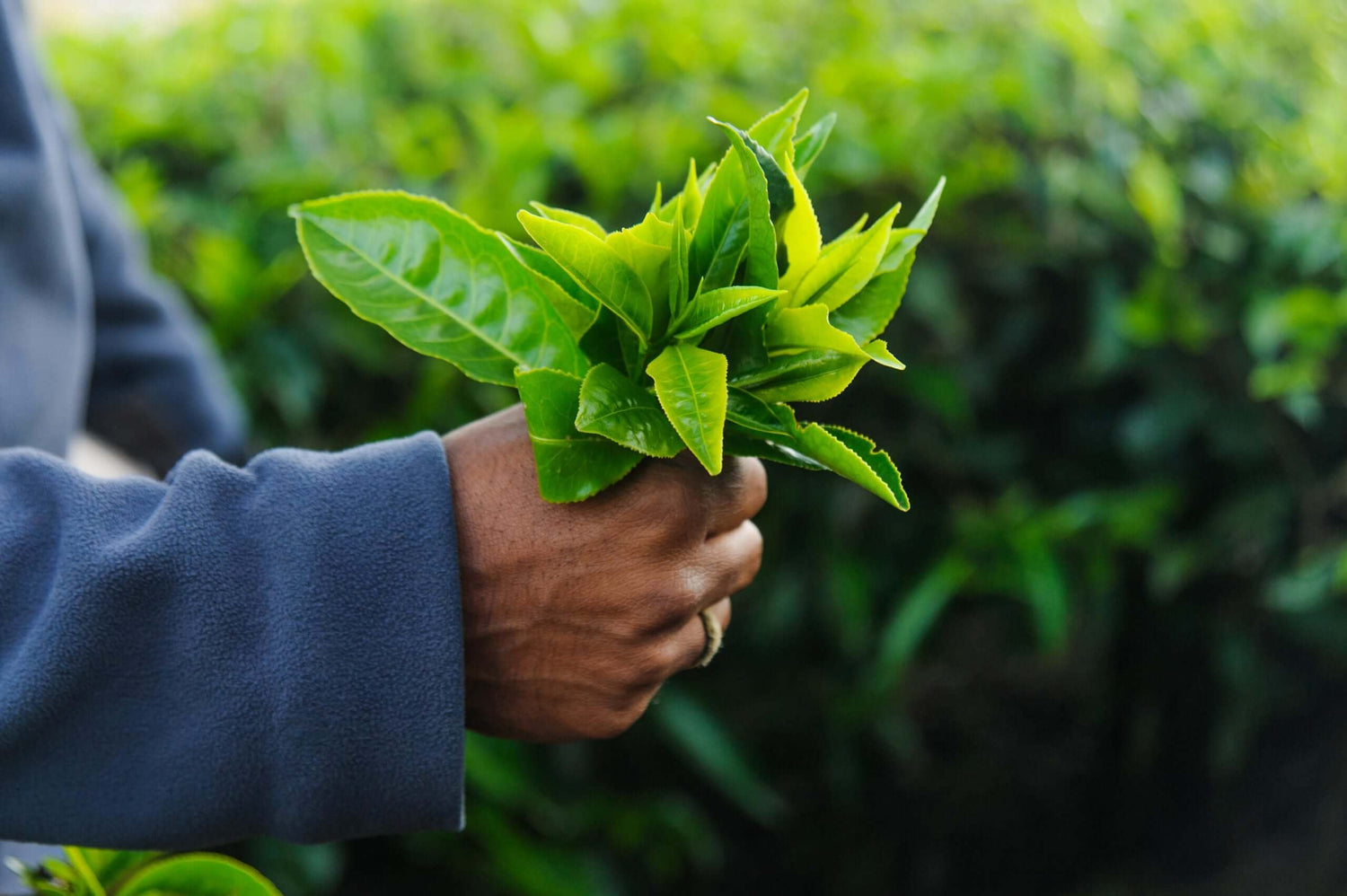
Distinguishing between these two colored powders is essential for anyone who appreciates refined beverages. Traditional matcha comes exclusively from Camellia sinensis leaves grown in Japan using age-old methods. These tea plants undergo meticulous shading before harvest, and then their de-veined leaves are stone-ground to create this distinctive green powder.
The nutrition profile reveals major differences between these two superfoods. Japanese matcha naturally contains theine—this stimulating alkaloid that provides gentle, long-lasting energy. It also contains theanine, a unique amino acid that supports focus and relaxation. By contrast, the butterfly pea flower powder contains no caffeine and offers an entirely different profile.
Visually, these powders stand out immediately. During my preparation sessions, I always notice this striking difference: authentic matcha has a luminous jade green, while blue matcha showcases its deep blue shades. This natural coloring comes from anthocyanins—powerful antioxidants absent from traditional tea. The cultivation and processing methods also differ completely between these two products, which have distinct geographic origins.
The unique taste of blue matcha: aromatic profile and flavors
The tasting experience of blue matcha reveals a completely different aromatic palette from traditional matcha. Its delicate floral notes evoke a tropical garden at first light, with that signature herbal freshness. On the palate, this powder develops a subtle, almost velvety sweetness, beautifully contrasting with the structured bitterness and pronounced umami of real Japanese matcha.
The plant-like flavors of Blue Matcha bring to mind certain flower teas, but with a more restrained intensity. This subtlety is both its strength and its weakness: it allows for creative pairings without overpowering the other ingredients, but may disappoint those looking for bold aromas. The product’s quality greatly influences how it tastes.
To fully reveal its organoleptic qualities, I recommend careful preparation. Water temperature plays a crucial role: too hot, and it can alter the flower’s delicate compounds. A gentle infusion between 70 and 80 degrees preserves the floral nuances better. Adding plant milk—especially oat or almond milk—enhances its natural creaminess and creates harmonious blends.
The health benefits of Blue Matcha: antioxidants and relaxing properties
The antioxidant properties of Blue Matcha come mainly from its high anthocyanin content—these blue pigments with well-known protective virtues. These natural compounds effectively combat free radicals and help prevent premature cellular aging. Proanthocyanidins, also found in this colored powder, further strengthen this protective action.
Its zinc content gives Blue Matcha interesting relaxing properties. This essential mineral helps support a balanced nervous system and helps reduce everyday stress. In Ayurvedic tradition, this flower accompanies moments of meditation and relaxation—helping to calm the mind and promote lasting well-being.
The supposed benefits extend to natural beauty: the antioxidants in this plant-based drink would help preserve skin radiance and the vitality of your hair. Its potential anti-inflammatory properties also interest researchers, even though scientific studies are still less numerous than for traditional matcha. Eye health may also benefit from regular consumption, thanks to these precious anthocyanins.
| Component | Blue Matcha | Traditional Matcha |
|---|---|---|
| Source | Petals of Clitoria ternatea | Leaves of Camellia sinensis |
| Caffeine | Absent | 30–50 mg/serving |
| Main antioxidants | Anthocyanins | Catechins, EGCG |
| Natural color | Azure blue | Jade green |
| Geographical origin | Southeast Asia | Japan |
Creative recipes with blue matcha: lattes, smoothies, and desserts
Blue matcha latte and hot drinks
Making a perfect latte with blue matcha calls for a specific technique that I’ve refined over time through my experiments. I always start by diluting a teaspoon of powder in a little hot water to form a smooth paste, avoiding unsightly lumps. This crucial step ensures a velvety texture and an even, homogeneous blend.
Gradually adding hot plant-based milk helps bring out the full aromatic richness of this exceptional beverage. Oat milk perfectly complements the floral notes, while coconut milk adds an enticing tropical touch. A hint of honey or maple syrup enhances these delicate flavors without overpowering them.
Smoothies and colorful cold drinks
The blue matcha smoothies offer a striking visual spectacle while delivering an incomparable refreshing sensation. My favorite recipe combines banana, mango, coconut milk, and this magical powder to create a drink that’s both nourishing and instagrammable. Adding ice cubes intensifies the blue color and provides the delectably creamy texture.
To vary the pleasures, I regularly experiment with different tropical fruits. Pineapple brings tangy notes that pair beautifully with floral sweetness, while the preparation with red berries creates spectacular color gradients.
Innovative pastries and desserts
Incorporating blue matcha into creative desserts turns every creation into a culinary work of art. Cheesecakes reveal a particularly photogenic deep blue, while energy balls offer a healthier alternative to traditional treats. This natural powder is a great substitute for artificial colorings in all your sweet creations.
The color-changing phenomenon: from blue to violet
The magic of blue matcha lies in its ability to change color depending on the pH of its surroundings. This fascinating property of anthocyanins transforms azure blue into deep violet as soon as you add a few drops of lemon. This natural phenomenon opens up endless creative possibilities for spectacular displays and unforgettable taste experiences.
In my creations, I regularly use this color transformation to surprise and delight. A simple splash of lime juice draws violet swirls in the blue drink, creating striking visual effects. This natural chemical reaction also makes it easy to layer colors in smoothies or non-alcoholic cocktails.
Other acidic ingredients produce similar effects: balsamic vinegar, red fruits, or even hibiscus tea gradually shift the shade. This chameleon-like property makes blue matcha a natural, versatile coloring agent, perfect for standout artistic presentations and Instagram-worthy creations.
- Low acidity: preserves the natural blue color
- Moderate acidity: subtle hints of violet appear
- High acidity: complete transformation to deep intense violet
- Very high acidity: evolving toward pinkish-violet tones
Alternative uses: cosmetics and non-food applications
Beyond its culinary uses, blue matcha reveals its potential in the world of natural cosmetics. Its richness in antioxidants makes it an ideal ingredient for homemade facial masks, delivering its protective properties to the skin. These natural care routines benefit from its exceptional color while also enjoying its soothing qualities.
The fragrance industry is also interested in this exotic plant. Some men’s compositions incorporate its subtle floral notes to evoke tropical journeys. When combined with accords of cedarwood, leather, or patchouli, it brings an refined, plant-like dimension to contemporary scent creations.
Creative artisans harness its coloring qualities for a wide range of artistic projects. This colored powder is a great alternative to synthetic pigments when making handmade soaps, scented candles, or textile works. Its color stability and natural character appeal to creators who care about eco-friendliness and authenticity in their handcrafted creations.
How to choose and store your organic blue matcha
Choosing quality blue matcha requires special attention to several key criteria. Organic certification ensures there are no pesticides or chemical treatments, preserving the purity of this natural powder. The geographical origin should be clearly stated, favoring producers from Southeast Asia recognized for their traditional know-how.
The intense, uniform color is a sign of the product’s freshness. A dull or grayish powder often indicates inadequate storage or mediocre quality. The texture should remain fine and silky, with no clumps that would suggest exposure to moisture. Its no added additives and no artificial colorings is an essential guarantee of authenticity.
For optimal storage of this precious powder, keep it in an airtight container, away from light and moisture. Room temperature works perfectly, but avoid significant temperature fluctuations. Once opened, the product retains its properties for several months if these conditions are met. Any suspicious odors or signs of mold require an immediate replacement to protect your health and your taste buds.
Incorporate blue matcha into a balanced diet
Incorporating blue matcha into a healthy eating routine calls for moderation and good judgment. One to two teaspoons per day are more than enough to enjoy its antioxidant properties without excess. This moderate consumption lets you appreciate its benefits while preserving the overall nutritional balance of your daily diet.
Pairing it with other superfoods multiplies the nutritional benefits of your preparations. Mixed with chia seeds, spirulina, or turmeric, it contributes to creations rich in vitamins and minerals. These nutritional synergies turn your morning smoothies into true feel-good cocktails.
To optimize the absorption of its nutrients, I recommend pairing it with healthy fats like avocado, nuts and seeds, or coconut oil. This smart combination helps assimilate fat-soluble compounds and prolongs the feeling of fullness. The absence of caffeine makes it possible to enjoy it in the evening without disturbing sleep, unlike traditional matcha, which naturally stimulates the body.